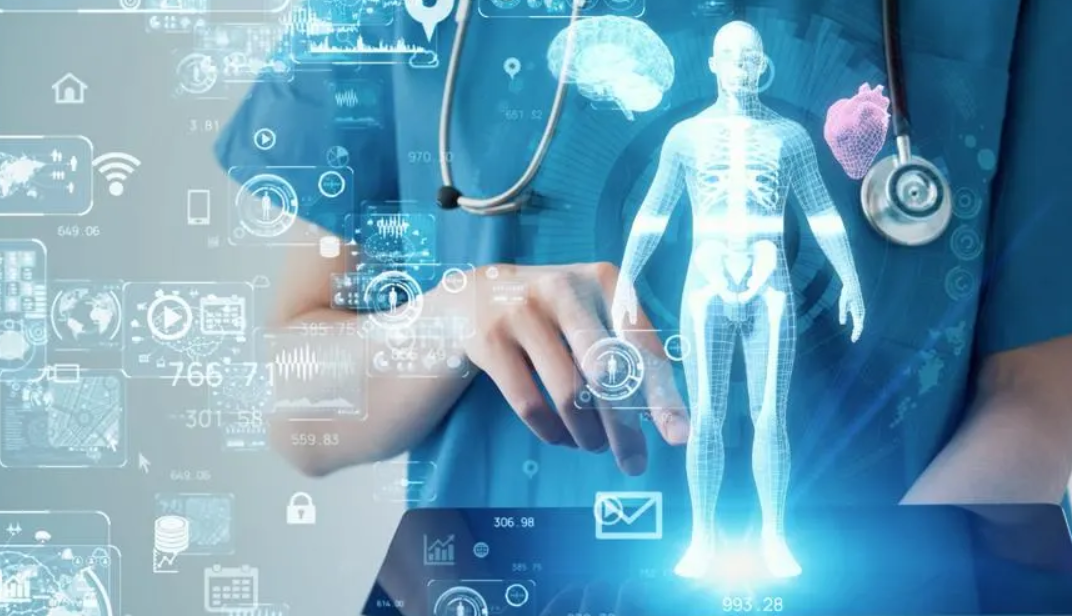
The Role of AI in Healthcare

The integration of AI in healthcare represents a significant shift in how medical services are delivered. Its applications range from enhancing diagnostic accuracy through advanced imaging to utilizing predictive analytics for proactive patient care. Additionally, AI streamlines administrative tasks, freeing up resources for more direct patient interaction. However, the implications of this technology extend beyond efficiency and accuracy. Understanding the broader impact on patient outcomes and the healthcare workforce is crucial.
Enhancing Diagnostics With Ai-Powered Imaging
As healthcare increasingly embraces technological advancements, AI-powered imaging emerges as a transformative force in enhancing diagnostics.
This innovation facilitates automated analysis, providing clinicians with rapid and precise image interpretation. By harnessing deep learning algorithms, AI not only improves accuracy but also reduces human error, ultimately fostering a more efficient healthcare environment.
Such advancements empower healthcare providers, enhancing patient outcomes and redefining diagnostic processes.
See also: barthturfburkina
Predictive Analytics for Preventive Care
How can predictive analytics transform preventive care in healthcare settings?
By leveraging data-driven insights, healthcare providers can conduct more accurate health risk assessments, identifying patients at high risk for chronic conditions.
This proactive approach enables tailored interventions, improving patient outcomes and reducing healthcare costs.
Ultimately, predictive analytics empowers individuals to take charge of their health, fostering a culture of prevention and wellness.
Streamlining Administrative Processes
The integration of AI in healthcare not only enhances preventive care through predictive analytics but also significantly streamlines administrative processes within healthcare systems.
Automated scheduling reduces appointment conflicts and optimizes resource allocation, while AI-driven claims processing accelerates reimbursement cycles and minimizes errors.
These advancements liberate healthcare professionals from mundane tasks, allowing them to focus on patient care and improve overall operational efficiency.
Personalized Treatment Plans and Patient Management
By leveraging advanced algorithms and vast datasets, AI facilitates the development of personalized treatment plans that cater to individual patient needs.
Machine learning algorithms analyze patient data integration, enabling healthcare providers to identify optimal therapies tailored to specific conditions.
This approach enhances patient management, improving outcomes and fostering autonomy in treatment decisions, as patients engage more actively in their healthcare journey.
Conclusion
In conclusion, the integration of AI in healthcare is a game changer, transforming various aspects of patient care and operational efficiency. By enhancing diagnostic capabilities, enabling predictive analytics, streamlining administrative tasks, and facilitating personalized treatment, AI not only improves health outcomes but also allows healthcare professionals to focus on what truly matters: patient well-being. As the saying goes, “a stitch in time saves nine,” and AI’s proactive approach is paving the way for a healthier future.